
"Rwandan washed process"
100 article(s) found

Rwandan coffee flavor introduction Rwandan coffee characteristics Rwandan coffee processing methods
With the improvement and upgrading of Rwandan coffee in all aspects, its quality has also made a qualitative leap. Rwanda's Anomeca Premium Washed Bourbon defeated Jamaica Blue Mountain No. 1 and Sumatra Mandning G1 Special to retain the title in the 2008 COE Competition organized by the American Boutique Coffee Association SCAA. Rwandan coffee has won a place in the coffee world with its excellent quality.

Most of them are washed and treated with Rwandan boutique coffee Chimere Manor to introduce the Lute Xilo producing area in the western province.
Most of the coffee in Rwanda is washed. The water washing method will first wash and flotation the ripe coffee fruit, then remove the exocarp, pulp and part of the pectin layer, then send the coffee into the fermentation tank, remove the remaining pectin layer and then send it to the drying ground for drying treatment, so that the water content reaches about 13%. The coffee in the picture above is placed in an African shed to dry.

What is the aroma and flavor of Rwandan coffee _ how to roast Rwandan coffee beans?
Professional coffee knowledge exchange more information about coffee beans please follow Coffee Workshop (Wechat official account cafe_style) Rwanda: this small East African country should not be ignored by roasters and coffee lovers. It is known as the hometown of thousands of mountains, and its high-quality, high-altitude coffee coexists with its poverty. It is not the largest coffee producer in Africa; in 2016, it only harvested

Rwandan washed Arabica coffee beans gaining popularity in the international coffee industry
Rwandan coffee, in its washed Arabica bean form, is of absolute quality. As far as Africa is concerned, its coffee industry stands out because the country thrives mainly on producing the best possible coffee beans. Rwandan coffee is gaining increasing popularity on the international market. The mission of the Rwandan Coffee Association is to manage and supervise the Rwandan coffee industry from production to marketing.

Flavor characteristics of Rwandan coffee beans _ does Rwandan coffee taste good? how much is the price of Rwandan coffee
Professional coffee knowledge exchange more coffee bean information please follow the coffee workshop (Wechat official account cafe_style) Qianjie coffee recently got a batch of African Rwanda coffee beans, frankly, before the Rwanda (Rwanda) coffee did not have a deep impression, but through the Rwanda restaurant to know this bean, taste sour, but after drinking it, but endless aftertaste, let me infatuated
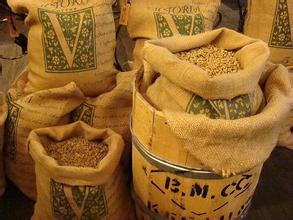
Self-baking Rwanda Coffee Wholesale Company Wholesale Rwandan Coffee beans
Because of the dense mountains and humid climate in Rwanda, the coffee beans produced in Rwanda are rich in aroma, naturally fruity and floral. There are five major coffee producing areas in Rwanda, and the coffee produced in these five regions is slightly different in aroma and taste. The coffee from Rwanda tastes sour, but it has a lingering aftertaste. Good coffee is like Chinese tea, it feels sweet only after drinking it. Mustafa method

The flavor and taste of washed Rwandan coffee the characteristics of the manor producing area introduce the origin of Rwandan coffee.
Most of the coffee in Rwanda is washed. The water washing method will first wash and flotation the ripe coffee fruit, then remove the exocarp, pulp and part of the pectin layer, then send the coffee into the fermentation tank, remove the remaining pectin layer and then send it to the drying ground for drying treatment, so that the water content reaches about 13%. The coffee in the picture above is placed in an African shed to dry.

Rwandan coffee| Rwandan coffee beans| Rwanda champion wash field
Professional coffee knowledge exchange More coffee bean information Please pay attention to coffee workshop (Weixin Official Accounts cafe_style) Country: Rwanda Production area mark: Maraba District, Huye Province Coordinates, latitude: 454768 longitude CWS altitude 1903 meters Cherry planting: 16002000 meters. Variety: Bourbon Soil: Clay, clay-sandy Soil pH 5.3 Annual rainfall: 13001400

History of Rwandan Coffee A brief introduction to the Origin of Rwandan Coffee
The taste of Rwandan coffee is extremely special. Rwandans have been growing coffee since colonial times, but until 1999, its products were still classified as below Class C and were not popular in the global market. The reason for the poor quality is that farmers do not have a fixed procedure for washing coffee beans and do not process coffee fruits according to specifications in time. Buyers buy coffee beans at $0.33 per kilogram, and farmers rely on low prices.

Introduction of Rwandan coffee beans: description of flavor and taste characteristics of Rwandan coffee beans
The characteristics of Rwandan coffee: the taste of Rwandan coffee is described as grass aroma, with tropical climate characteristics, this coffee presents a sweet fruit taste, it also makes people taste refreshing, clear, and fresh. Bourbon coffee grown in Rwanda is called sweet because of its sweet fruit.

Characteristics of Rwandan coffee beans Rwandan coffee tastes
Since the 1920s, Arabica coffee grown in Rwanda has been famous for its unique fruit sweetness and rich grass aroma. In recent years, the Rwandan government has taken positive measures to vigorously promote coffee production, set up coffee production cooperatives in various places, and give technical guidance and financial support to farmers, so that coffee production has made considerable progress. University of Rwanda

Introduction to the flavor and taste of Rwandan coffee the characteristics of Rwandan coffee beans
Most of the coffee in Rwanda is washed. The water washing method will first wash and flotation the ripe coffee fruit, then remove the exocarp, pulp and part of the pectin layer, then send the coffee into the fermentation tank, remove the remaining pectin layer and then send it to the drying ground for drying treatment, so that the water content reaches about 13%. The coffee in the picture above is placed in an African shed to dry.

Introduction to the flavor, characteristics, taste and manor of Rwandan coffee with tropical climate characteristics
Since the 1920s, Arabica coffee grown in Rwanda has been famous for its unique fruit sweetness and rich grass aroma. In recent years, the Rwandan government has taken positive measures to vigorously promote coffee production, set up coffee production cooperatives in various places, and give technical guidance and financial support to farmers, so that coffee production has made considerable progress. University of Rwanda
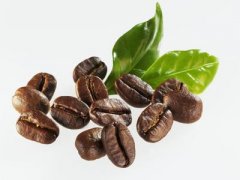
A brief introduction to the Origin, Development, History and Culture of Coffee beans from Rwanda, which tastes sweet and citrus
Bourbon coffee grown in Rwanda is one of the original varieties of Arabica coffee. In the annual professional evaluation of the top coffee held by the American Fine Coffee Association SCAA in 2008, Rwanda Aromec of Rwanda was the best washed bourbon, which beat the Blue Mountain No.1 of Jamaica and Mantenin G1 of Sumatra and won the 2008 champion C.

Tropical climate features, crystal clear Rwandan coffee flavor, characteristics, taste and manor
Since the 1920s, Arabica coffee grown in Rwanda has been famous for its unique fruit sweetness and rich grass aroma. In recent years, the Rwandan government has taken positive measures to vigorously promote coffee production, set up coffee production cooperatives in various places, and give technical guidance and financial support to farmers, so that coffee production has made considerable progress. University of Rwanda

How about Rwandan coffee? are Rwandan coffee beans as sour and sweet as cherries?
Professional coffee knowledge exchange more coffee bean information please follow the coffee workshop (Wechat official account cafe_style) front street-Rwanda Coffee introduction the Republic of Rwanda is located in East Central Africa near the equator, is a small mountainous country in Central Africa. It is bordered by Uganda in the north, Tanzania in the east, Burundi in the south and Congo in the west. Before 1962.

What is the processing technology of Rwandan coffee? the characteristics of taste changes of Rwandan coffee
Professional coffee knowledge exchange more coffee bean information please follow the coffee workshop (Wechat official account cafe_style) Front Street-about Rwanda Coffee Rwanda has always been given good coffee growing conditions: high altitude, volcanic soil, rich sun and Cabernet Sauvignon. Because many coffee trees are planted in mountains between 1700 and 2000 meters above sea level. Coffee from Rwanda can be described as
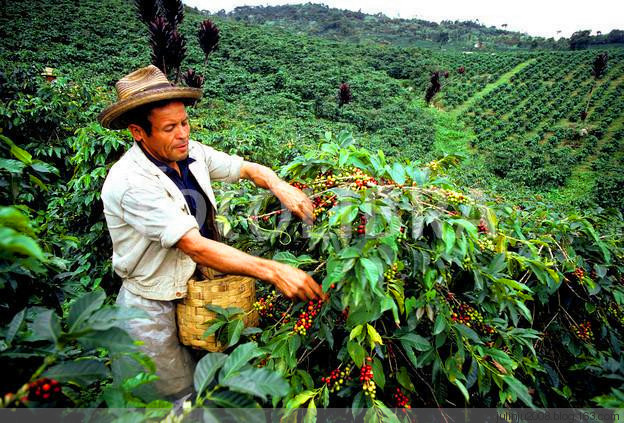
Supply Rwandan Coffee visit Rwandan Coffee Factory Red bourbon Coffee beans in Lutesilo producing area of Rwanda
Because of the dense mountains and humid climate in Rwanda, the coffee beans produced in Rwanda are rich in aroma, naturally fruity and floral. There are five major coffee producing areas in Rwanda, and the coffee produced in these five regions is slightly different in aroma and taste. The coffee from Rwanda tastes sour, but it has a lingering aftertaste. Good coffee is like Chinese tea, it feels sweet only after drinking it. Mustafa method

The largest coffee processing plant in Rwanda-Musasha Coffee Bean Story _ how to bake Rwandan coffee beans
Professional coffee knowledge exchange more coffee bean information please follow the coffee workshop (Wechat official account cafe_style) Rwanda Musasha (Duken de Kawa Cooperative) Bourbon species 380 yuan per kilogram special purchase Rwanda Musasa Dukunde Kawa Coop (Coffee Review 92 cents) Manor: Musa Cooperative small Farmers altitude: (above sea level) 1800 ~

Tropical climate features glittering and translucent Rwandan coffee flavor, characteristics, taste and manor
Since the 1920s, Arabica coffee grown in Rwanda has been famous for its unique fruit sweetness and rich grass aroma. In recent years, the Rwandan government has taken positive measures to vigorously promote coffee production, set up coffee production cooperatives in various places, and give technical guidance and financial support to farmers, so that coffee production has made considerable progress. University of Rwanda